
When I left the Air Force in 2019, I thought the hardest battles for our military veterans were behind us.
I was wrong. Veteran suicide remains a national crisis. According to the Department of Veterans Affairs, we lose between 17 and 20 veterans to suicide every day. This number is over 50 percent higher than that of non-veteran adults in the general U.S. population.
The Clay Hunt Suicide Prevention for American Veterans Act, signed in 2015, gave me hope. It was a landmark effort to address the alarming rate of veteran suicides. Central to the act was the establishment of a peer support program within the VA, designed to connect veterans with trained peers who could offer empathy, shared experience, and practical guidance. It promised to connect veterans with folks who’d walked the same path— fellow brothers and sisters in arms who also had the nightmares, the guilt, and the struggle to fit back into civilian life. Peer support is a lifeline. It’s a fellow vet who’s been to hell and back, who can look you in the eye and say, “I know, man, but you’re not alone.”
However, ten years later, we see the peer support program faltered due to inconsistent implementation, inadequate funding, and bureaucratic hurdles. The pilot program ended in 2019. Reviving this peer support program, with improvements in VA mental health treatment delivery, is necessary to honor the commitment to those who served.
Our veterans need tailored mental health interventions. Peer support leverages the power of shared experiences. Veterans often feel isolated, misunderstood by civilians, and skeptical of traditional therapy. Peers bridge this gap by offering relatable perspectives and fostering trust. Peer support programs are proven to reduce hospitalization rates and improve engagement in mental health care among veterans.
Beyond peer support, the VA must overhaul its mental health treatment delivery. Long wait times, limited access to specialized care, and inconsistent quality remain persistent barriers. Rural veterans, in particular, struggle with access due to isolation and a shortage of providers. Telehealth has helped, but it is not a cure-all—many veterans lack reliable internet or prefer in-person care. The VA must expand its mental health workforce and streamline appointment scheduling to reduce delays.
Integration is another critical area for improvement. Mental health care is often disjointed from primary care and other VA services, leading to fragmented treatment. The VA should adopt a wholehealth approach, embedding mental health professionals in all primary care settings and ensuring seamless coordination between services.
But VA clinics remain short staffed as to clinical social workers and other mental health providers. Reasons cited for this include pay disparities with the private sector, lengthy hiring processes, and competition among VA medical centers.
Reinvigorating the peer support program and improving mental health care delivery are complementary strategies that address different sides of the same crisis.
Peer support offers immediate, relatable intervention, while systemic improvements ensure longterm, comprehensive care.
Peers can pull a veteran back from the brink. A solid VA mental health system can keep veterans steady.
Congress, fund this fight. VA, hire more people, cut the wait times, and connect the dots between services. Veterans are not asking for a handout—just the support earned for serving our country. The time to act is now.
Chad Carter is a partner at the law firm of Parker Alexander in Monroe. He is a retired U.S. Air Force judge advocate, and is also executive director of Bayou Veterans Advocacy, a non-profit organization dedicated to raising awareness of and helping meet the essential needs of Louisiana military members, veterans and their families.
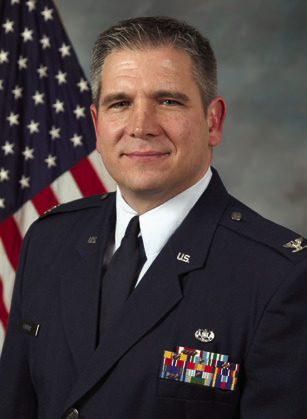
Chad Carter